
Julie Austin is a mixed-media artist born in 1991 into a French-American family. Holding various ancestral bloodlines is the hidden thread of her art: growing up in the midst of two different countries, with all kinds of inherited blessings and challenges, created an ongoing search for identity. She learned to inhabit the space in-between, where art became an expressive bridge between her multicultural origins.
Working at the intersection of art and craft, memory and ecology, her practice unfolds through painting with earth pigments and weaving natural fibers.
Julie Austin est une artiste travaillant en techniques mixtes. Née en 1991 dans une famille Franco-Américaine, ses diverses origines ancestrales constituent le fil conducteur caché de son art : avoir grandi entre deux pays différents, avec toutes sortes de bénédictions et de défis hérités l’a amenée à rechercher en permanence son identité. Elle a appris à habiter cet espace intermédiaire, où l’art est devenu un pont expressif entre ses origines multiculturelles.
Son travail est à l’intersection de l’art et de l’artisanat, de la mémoire et de l’écologie, et sa pratique se déploie à travers la peinture avec des pigments naturels et le tissage de fibres brutes.


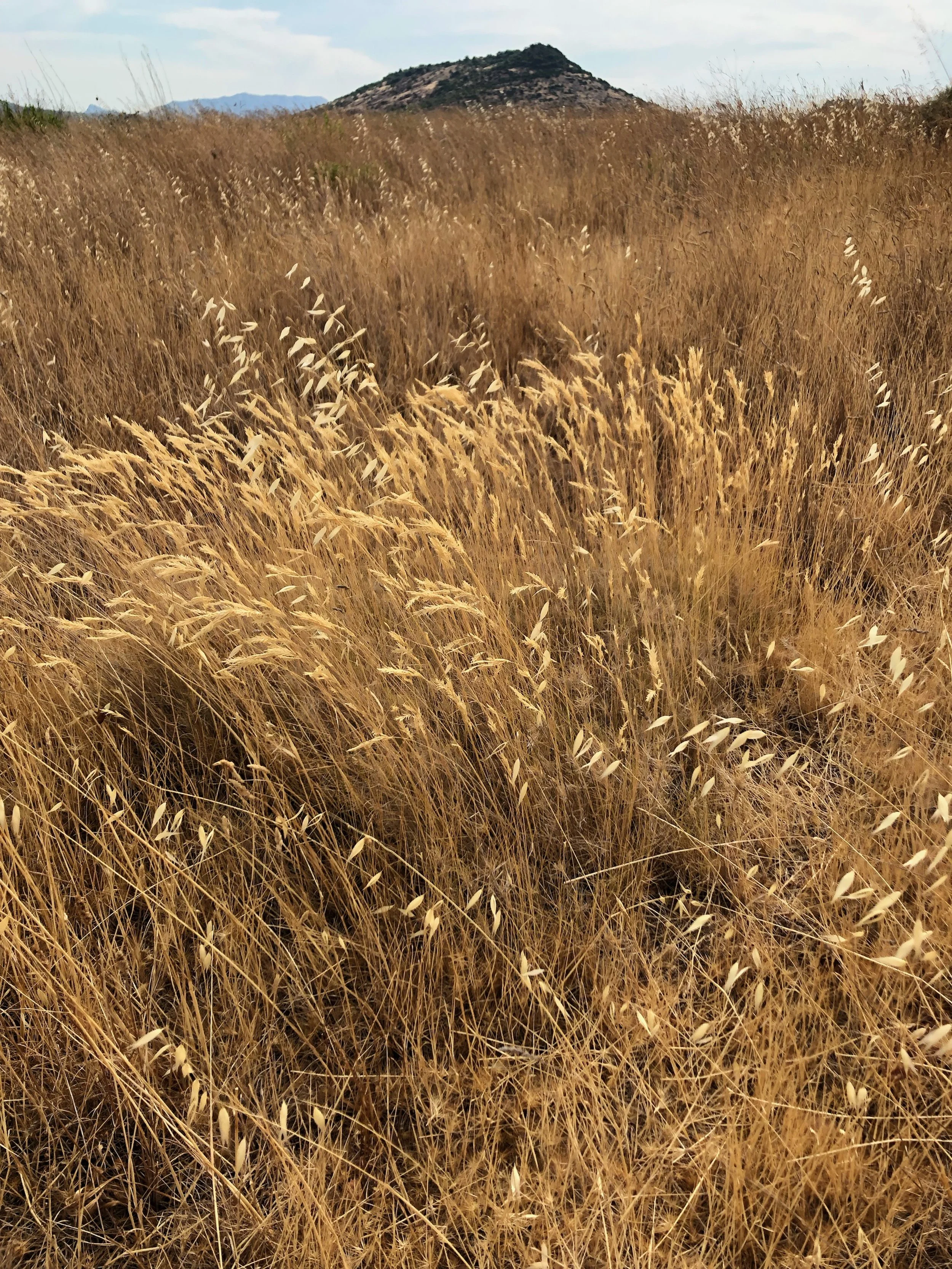
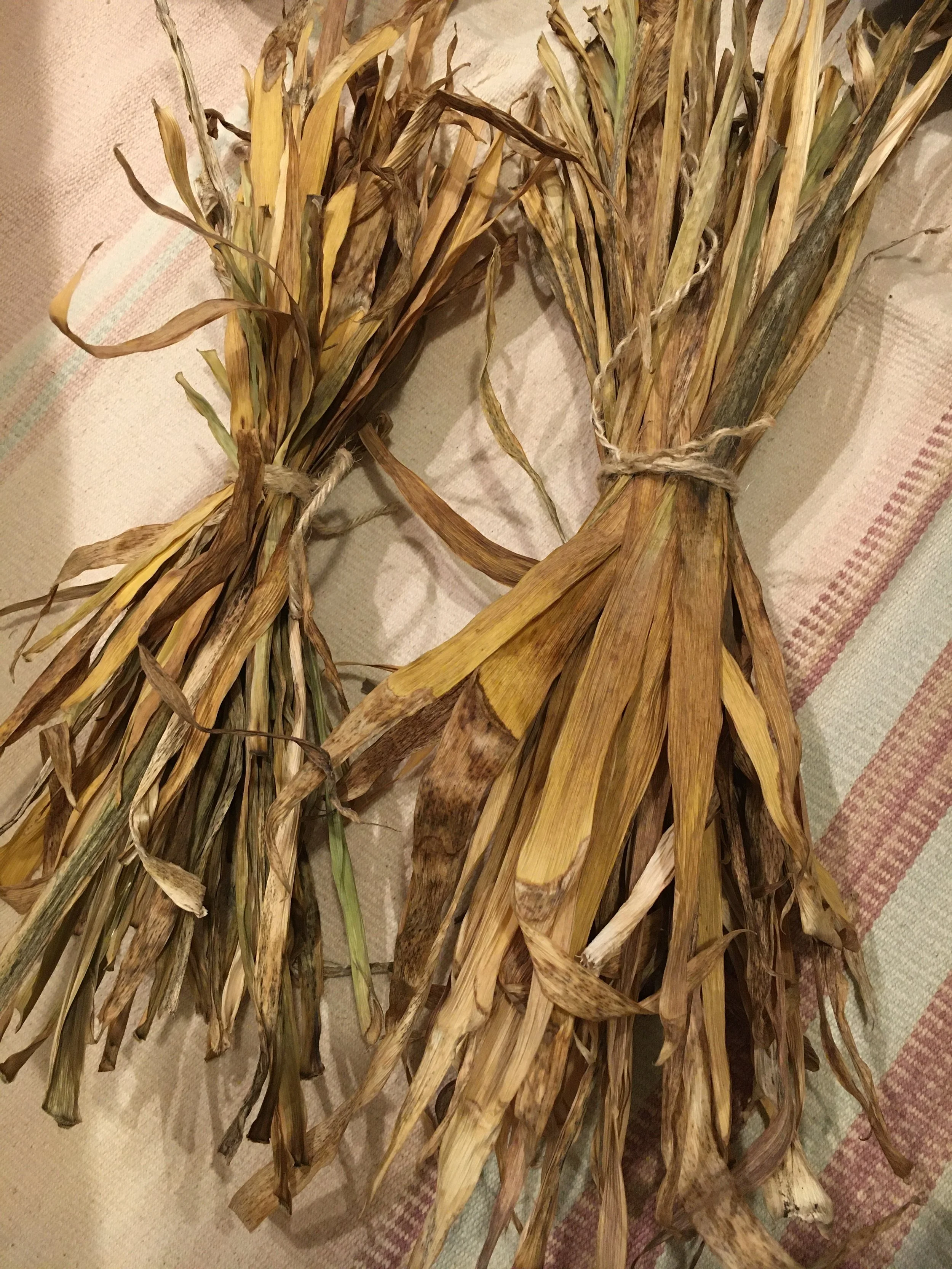
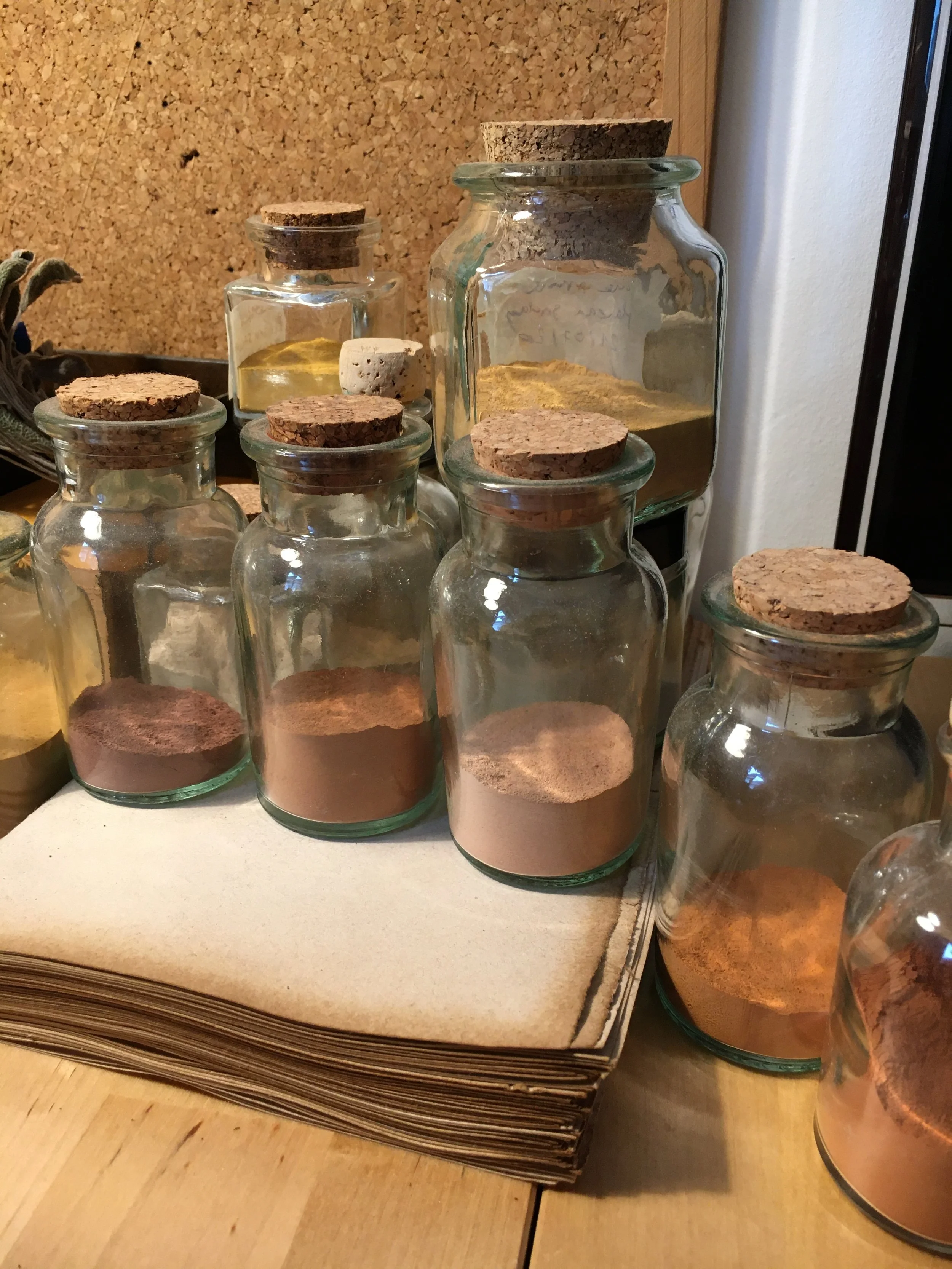
Natural colors, raw fibers, and organic materials are respectfully gathered in France, where the artist lives, or sourced from trusted partners.
They anchor her work in an exchange with the land, with who she has forged a sensitive, tender relationship, guided by seasonal rhythms and embodied gestures. Her practice is grounded in animism, bioregionalism, and ecofeminism, and nourished by a lifelong connection with plants and animals.
Les couleurs naturelles, les fibres brutes et les matières organiques sont respectueusement récoltées en France, où vit l'artiste, ou proviennent de partenaires de confiance.
Elles ancrent son travail dans un échange avec la Terre, avec qui elle a tissé une relation sensible et pleine de tendresse, guidée par les rythmes saisonniers et les gestes incarnés. Sa pratique est ancrée dans l'animisme, le biorégionalisme, et l'écoféminisme, et se nourrit d'un lien permanent avec les plantes et les animaux.
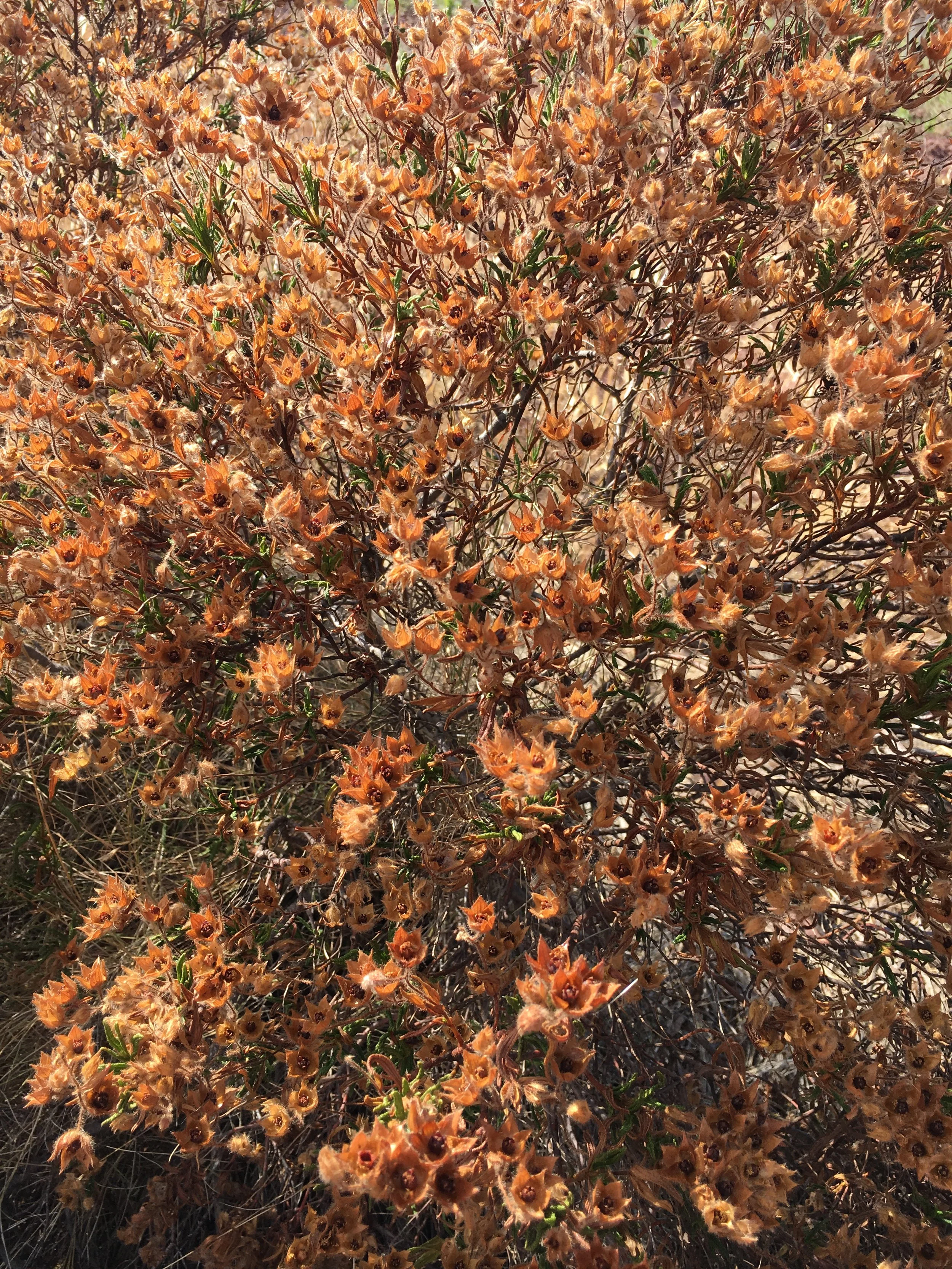
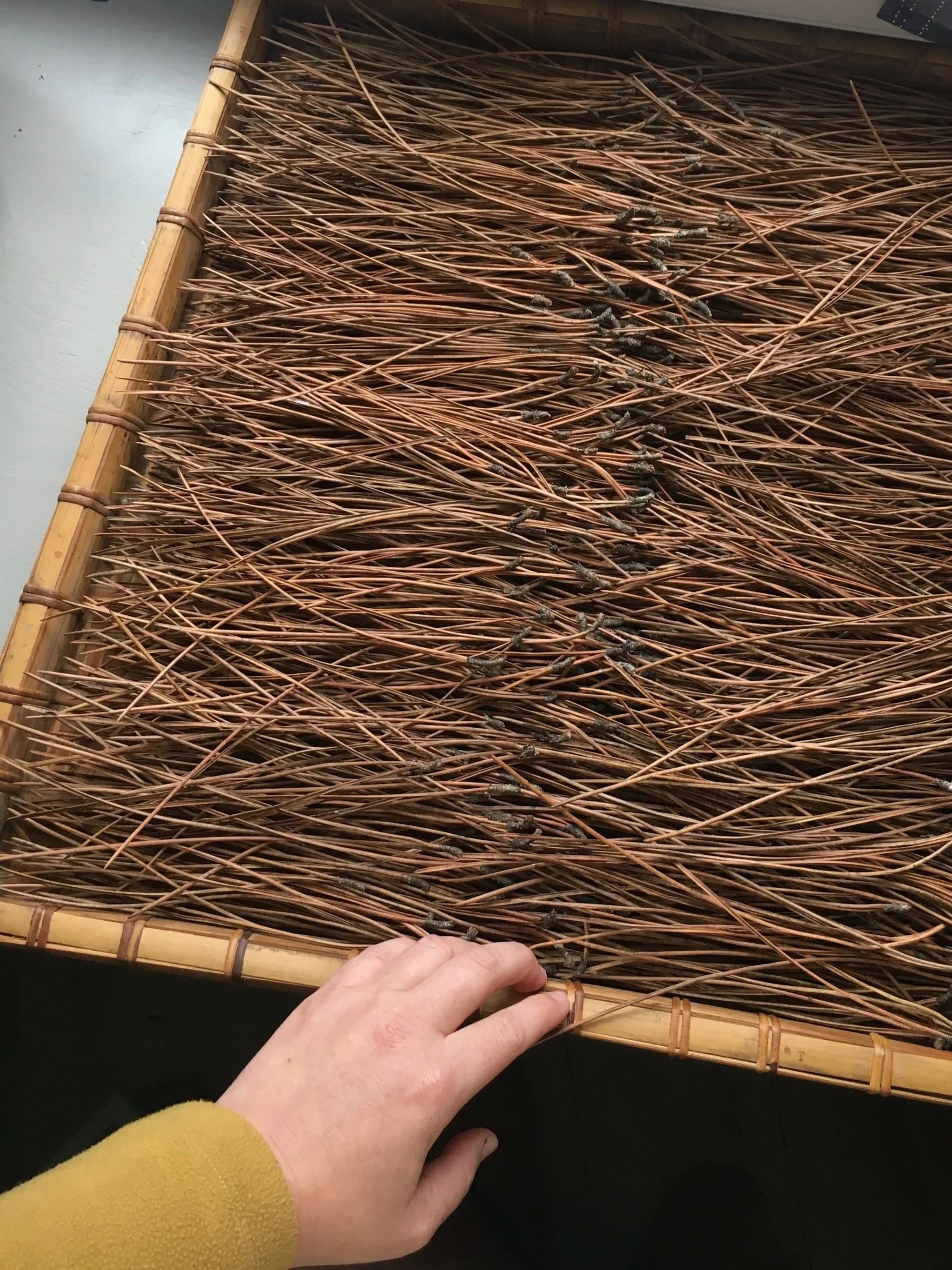
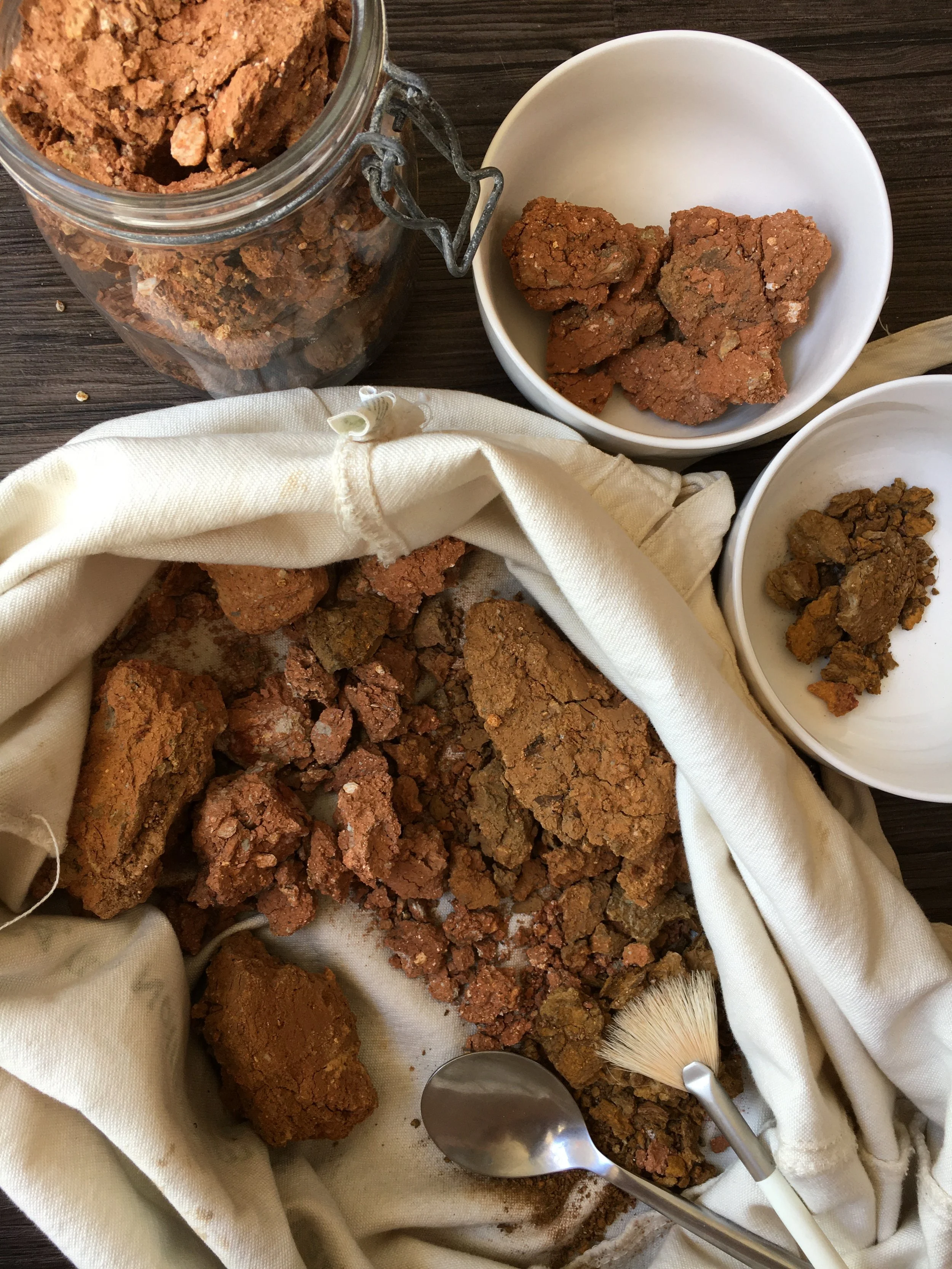
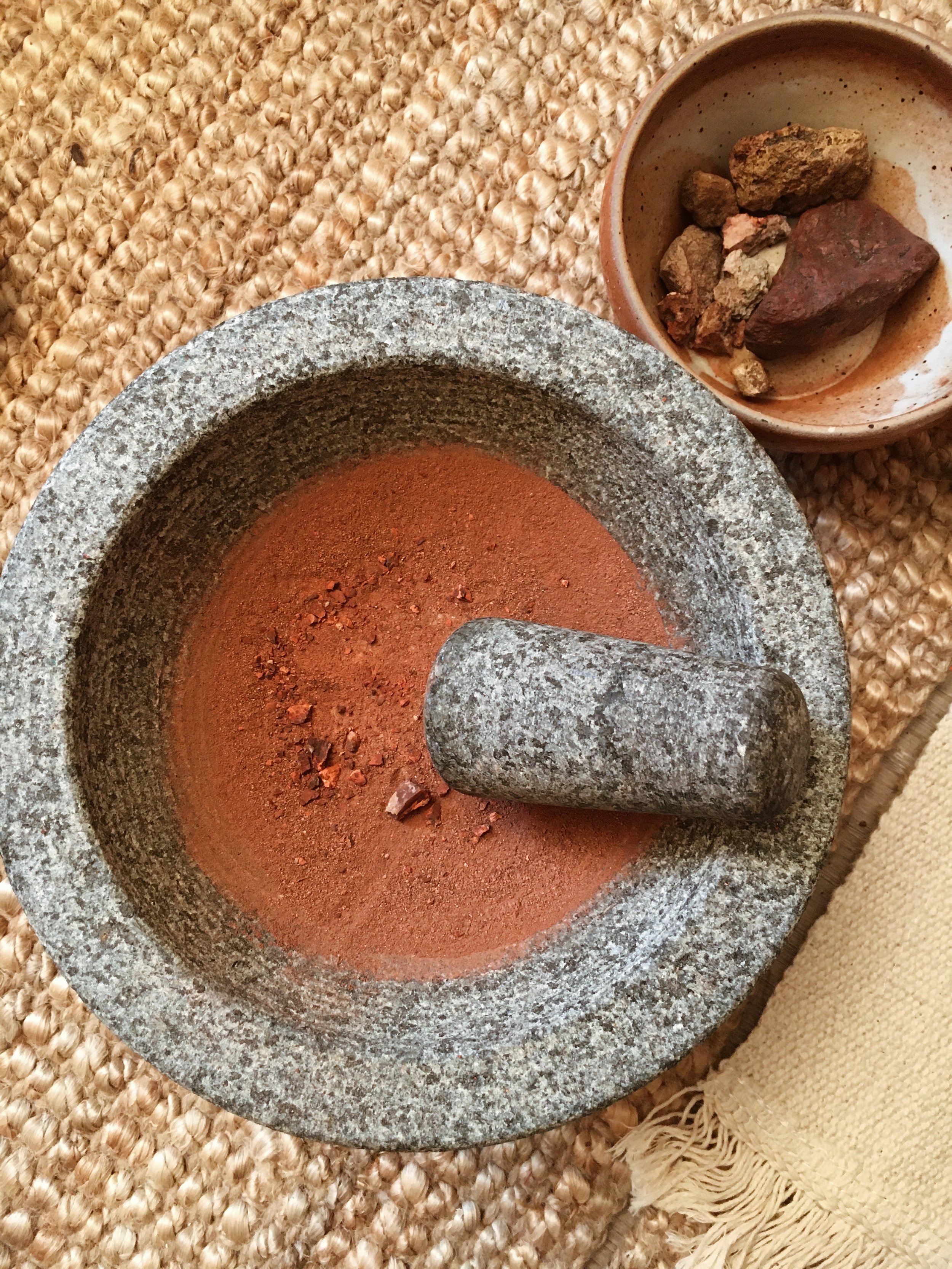
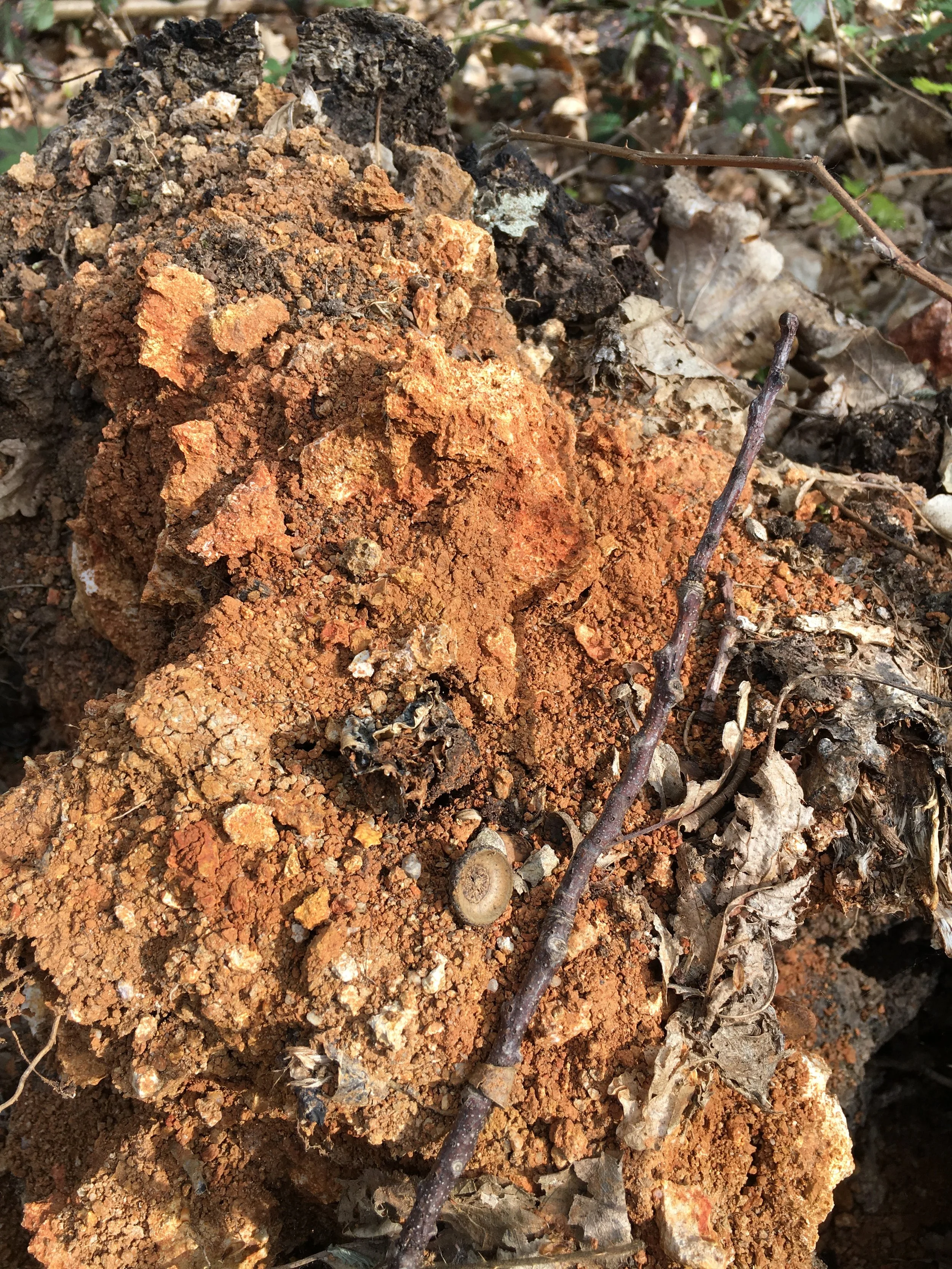
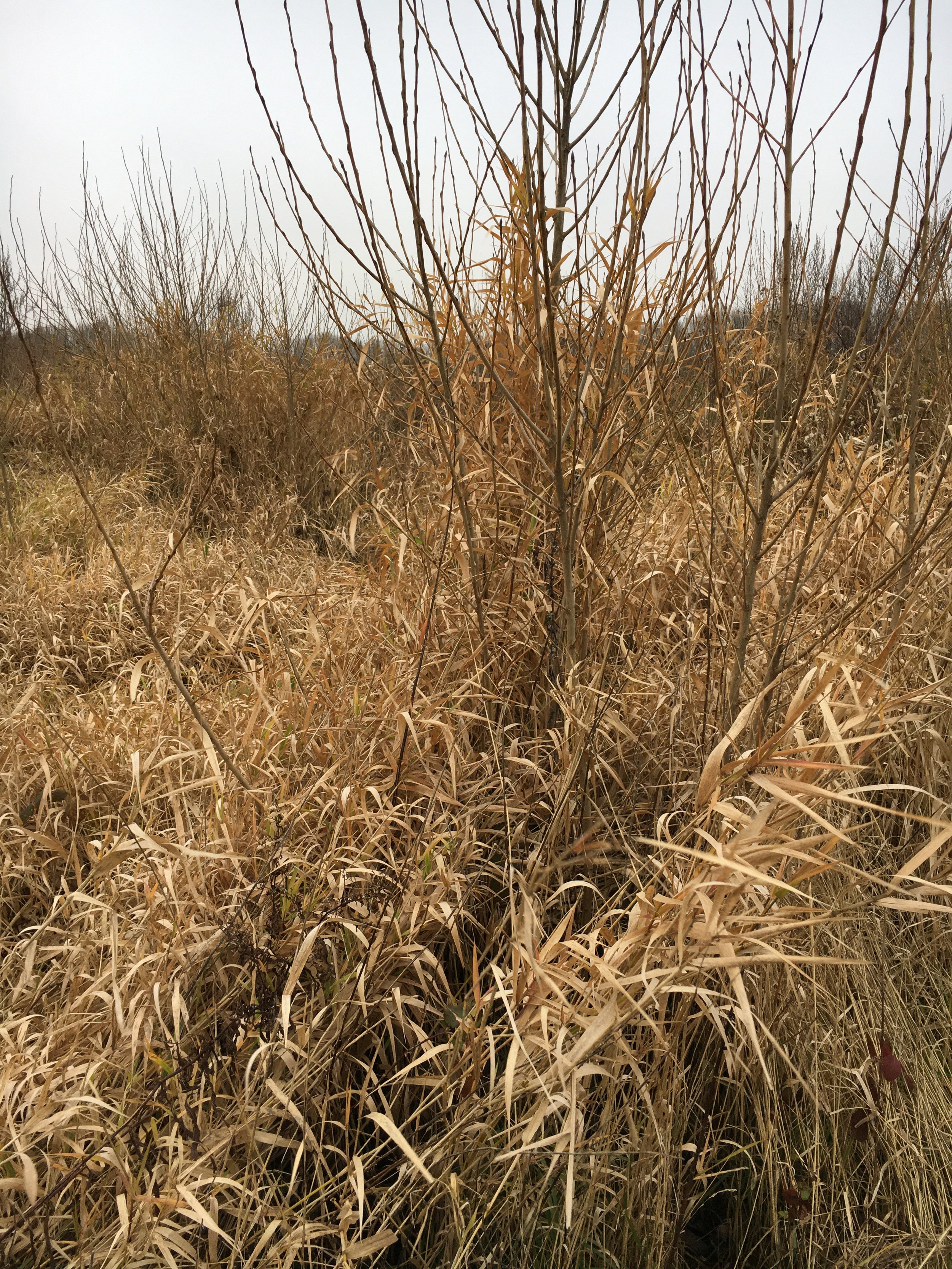
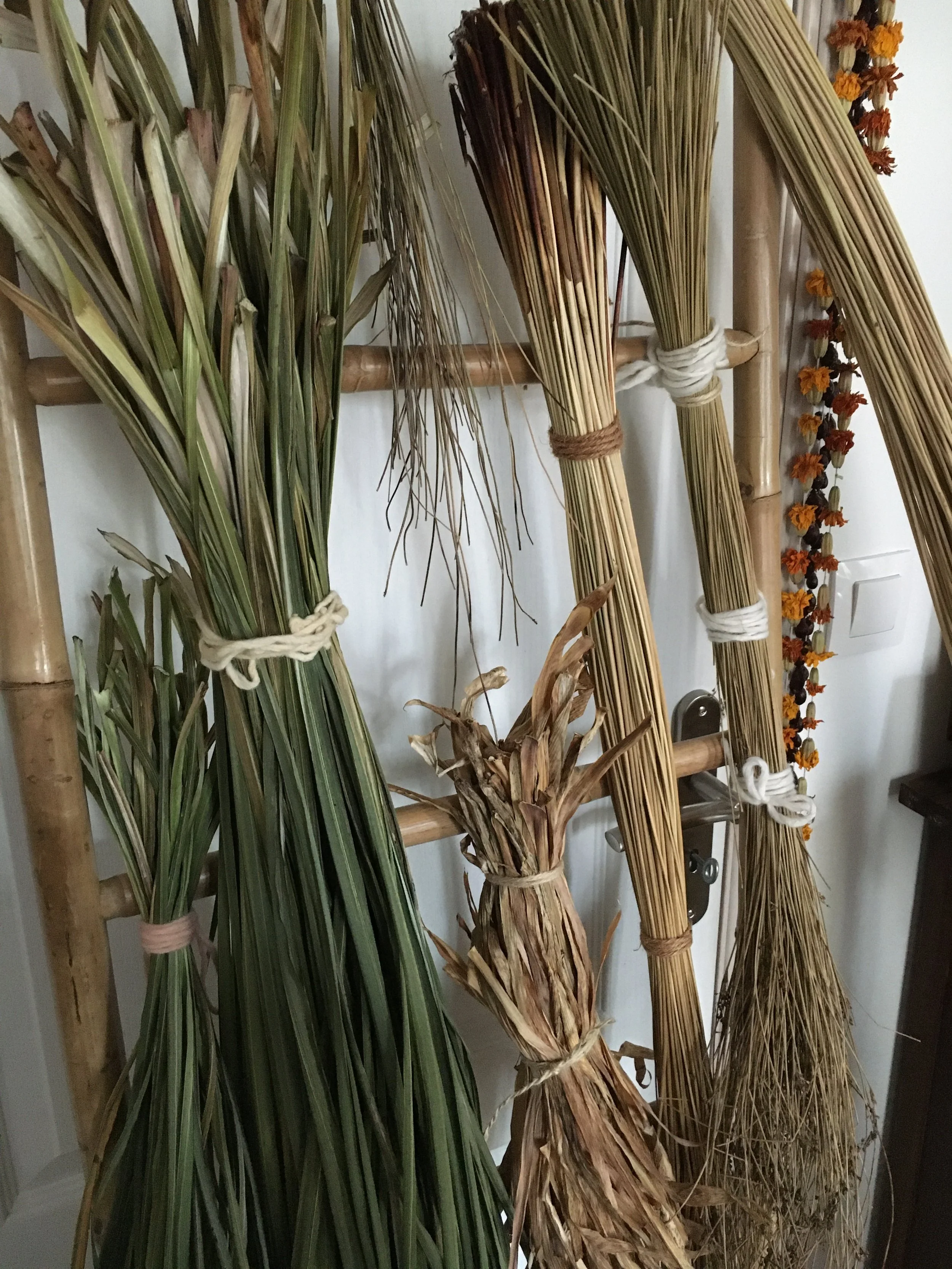

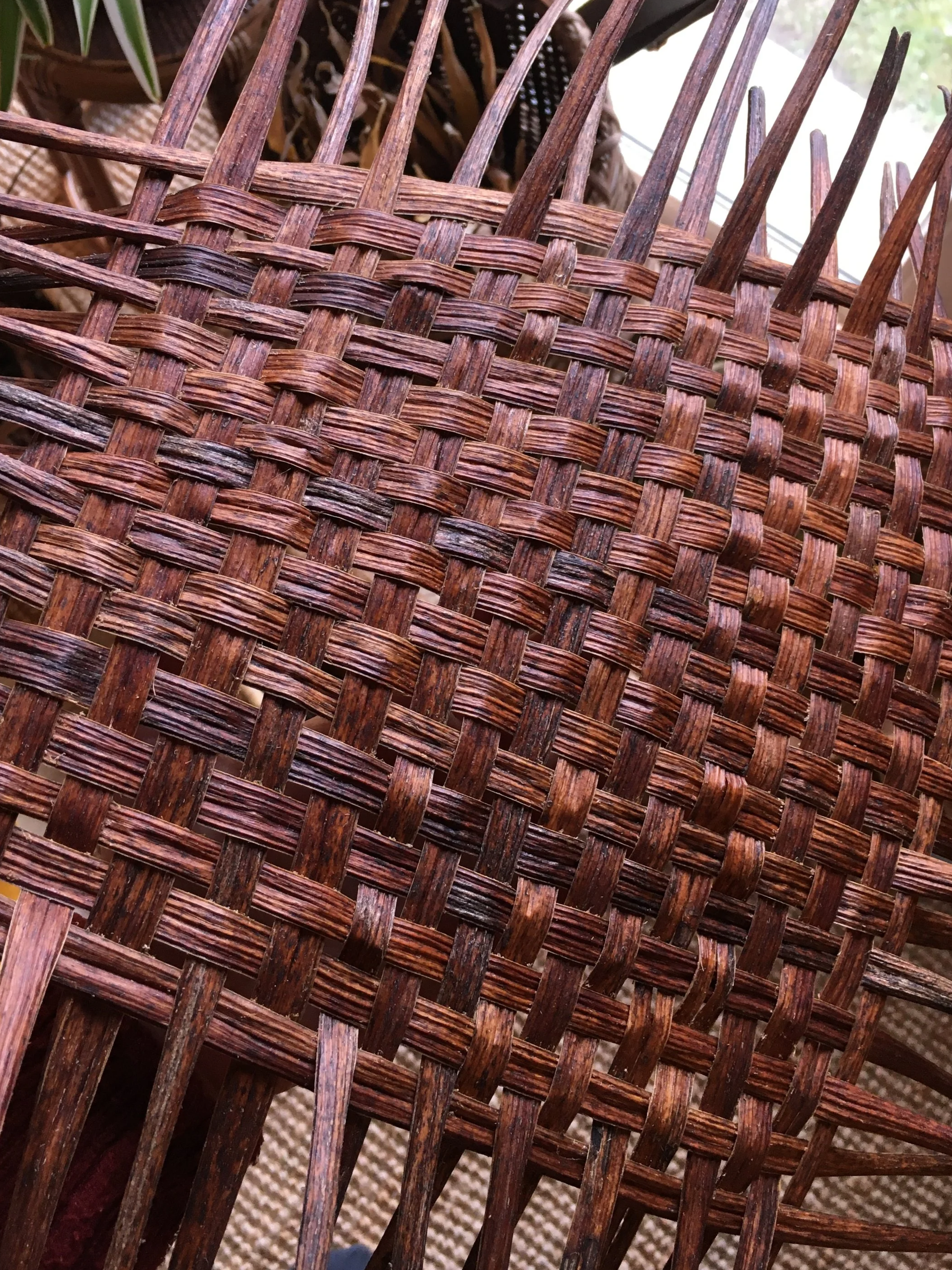
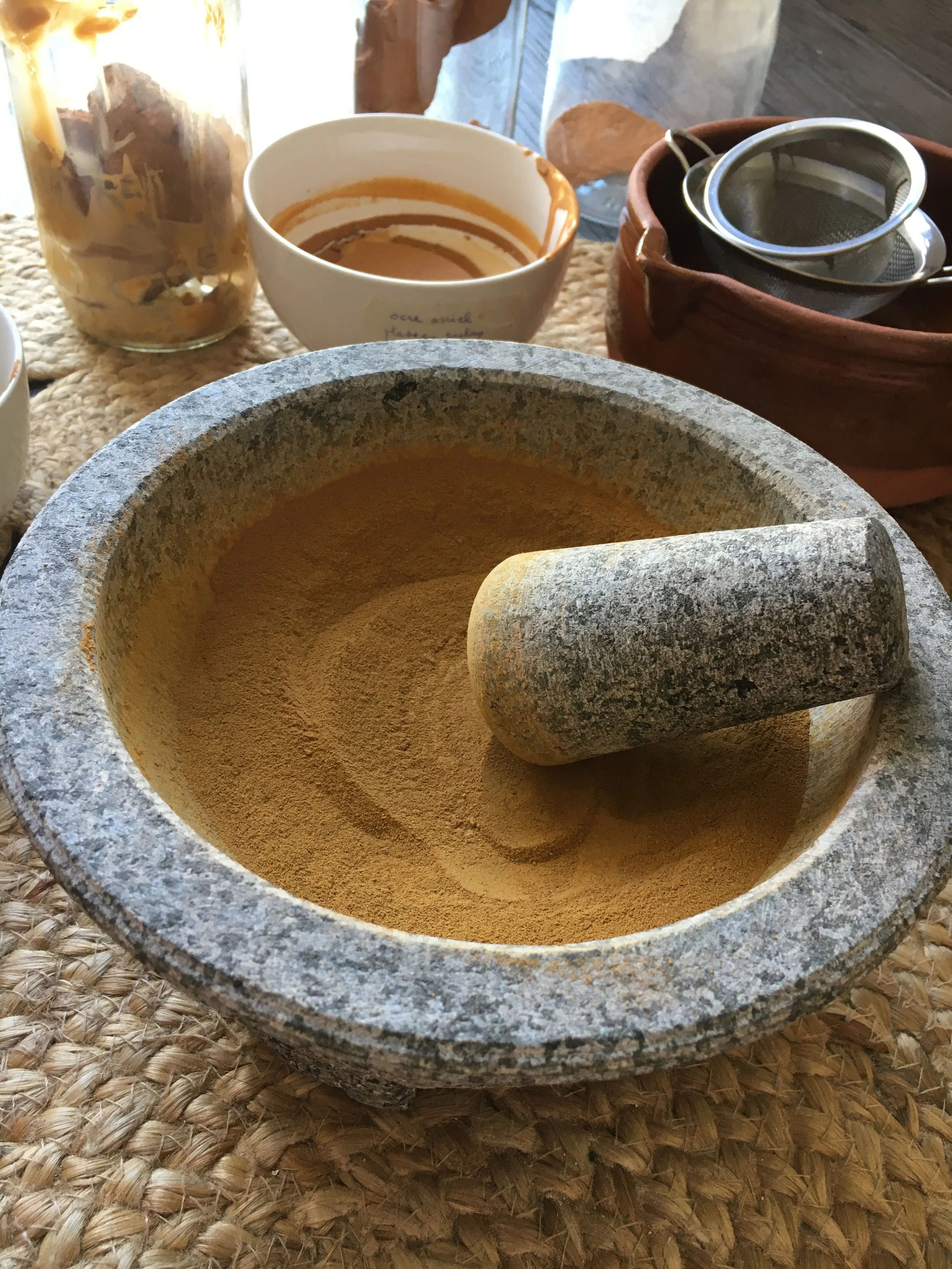
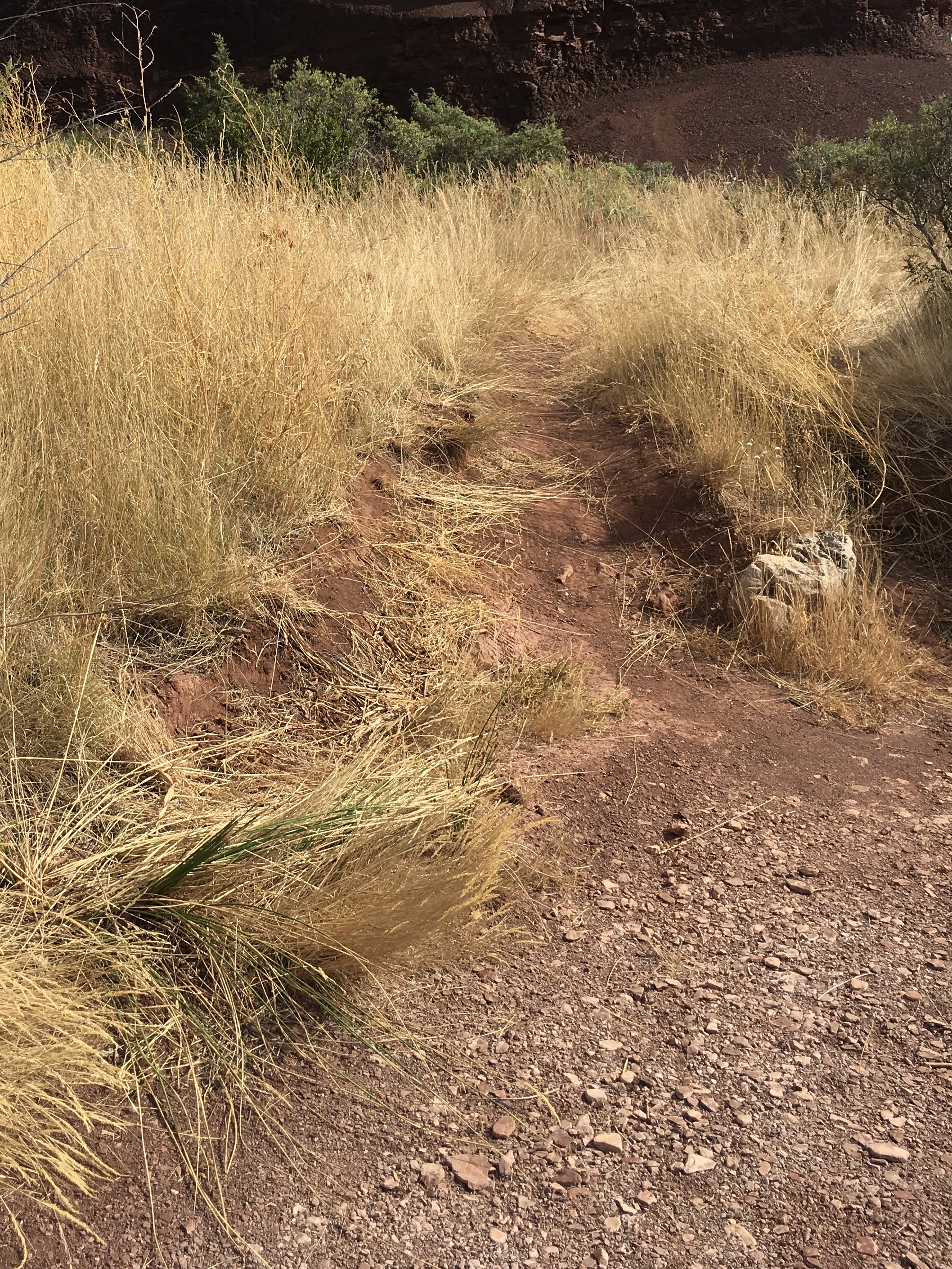
Through observation of the landscapes she encounters, research on the ‘more-than-human’ world, and attention to folk archives such as regional dialects, ancient stories, or Earth-based songs ; she explores what it means to truly belong to a place.
Then everything intertwined in her studio, where she creates storied artworks that reflect the seen and unseen relations between humans and the nature we inhabit. Each pieces invite the viewer to slow down, to invoke moments spent in communion with the living world, and to extend this bond by reconnecting the outside with the interior of our spaces.
À travers l’observation des paysages qu’elle côtoie, de recherches sur la biodiversité des espèces, et l'attention portée aux archives populaires telles que les dialectes régionaux, les anciens contes, ou les chants liés à la Terre ; elle explore la notion d’appartenance profonde à un lieu.
Tout cela s'entremêle ensuite dans son atelier, où elle crée des œuvres porteuses de récits qui reflètent les liens visibles et invisibles entre les humains et la nature où nous vivons. Chaque création invite le spectateur à ralentir, à invoquer des moments passés en communion avec le monde vivant, et à prolonger ce lien en reconnectant le ‘dehors’ avec l'intérieur de nos espaces.

Photo by Laura Wencker